We often spend considerable amounts of money on moisturizers, hyaluronic acid serums, and overnight masks to get that famous radiant complexion. Yet, adequate fluid intake is also frequently discussed in beauty routines. But what does the science actually say about drinking water for your skin?
The Relationship Between Hydration and the Skin
Our skin is an organ containing a significant amount of water. While severe dehydration can affect your overall health and potentially your skin's appearance, the idea that drinking more water directly cures dry skin or creates a guaranteed "glow up" is overstated.
According to the American Academy of Dermatology, dry skin is typically a result of a damaged skin barrier or environmental factors (like dry air or harsh soaps), not a lack of internal water consumption.
However, when the body is significantly dehydrated, it may affect appearance in certain contexts:
- Elasticity: Severe dehydration may temporarily reduce skin elasticity. A classic medical test for severe dehydration is the "skin turgor" test, where pinched skin takes longer to return to normal.
- Complexion: Dehydration can sometimes make the skin appear less plump, which some perceive as dullness.
- Dark circles: Lack of fluids is one of many factors that can make the under-eye area appear more hollow or sunken, though genetics, sleep, and aging are much stronger contributors.
Topical Skincare vs. Systemic Hydration
It's important to clearly distinguish between whole-body hydration (fluid intake) and skin hydration (the skin barrier). Normal systemic hydration supports healthy physiological functions, but drinking excess water does not automatically travel to the outer layers of the skin to resolve dryness.
Additionally, the common claim that drinking extra water "flushes toxins" to clear up acne is not supported by strong dermatological evidence. Your kidneys and liver handle the body's natural detoxification processes, and blemishes are more often linked to hormones, genetics, and topical hygiene.
For surface hydration, dermatologists generally recommend topical moisturizers to seal in moisture and protect the skin barrier.
The Trap of the "Water Gallon Challenge"
On social media, the trend leans towards extremes. The Water Gallon Challenge pushes you to drink almost 4 liters of water a day. For most people, not only is this unnecessary, but it quickly becomes a discouraging chore. If you're wondering what your actual target should be, you can use a daily water intake calculator to get an estimate based on your body weight and activity level.
Drinking should integrate naturally into your day, rather than becoming a physical constraint.
Combining Hydration Tracking and Self-Care
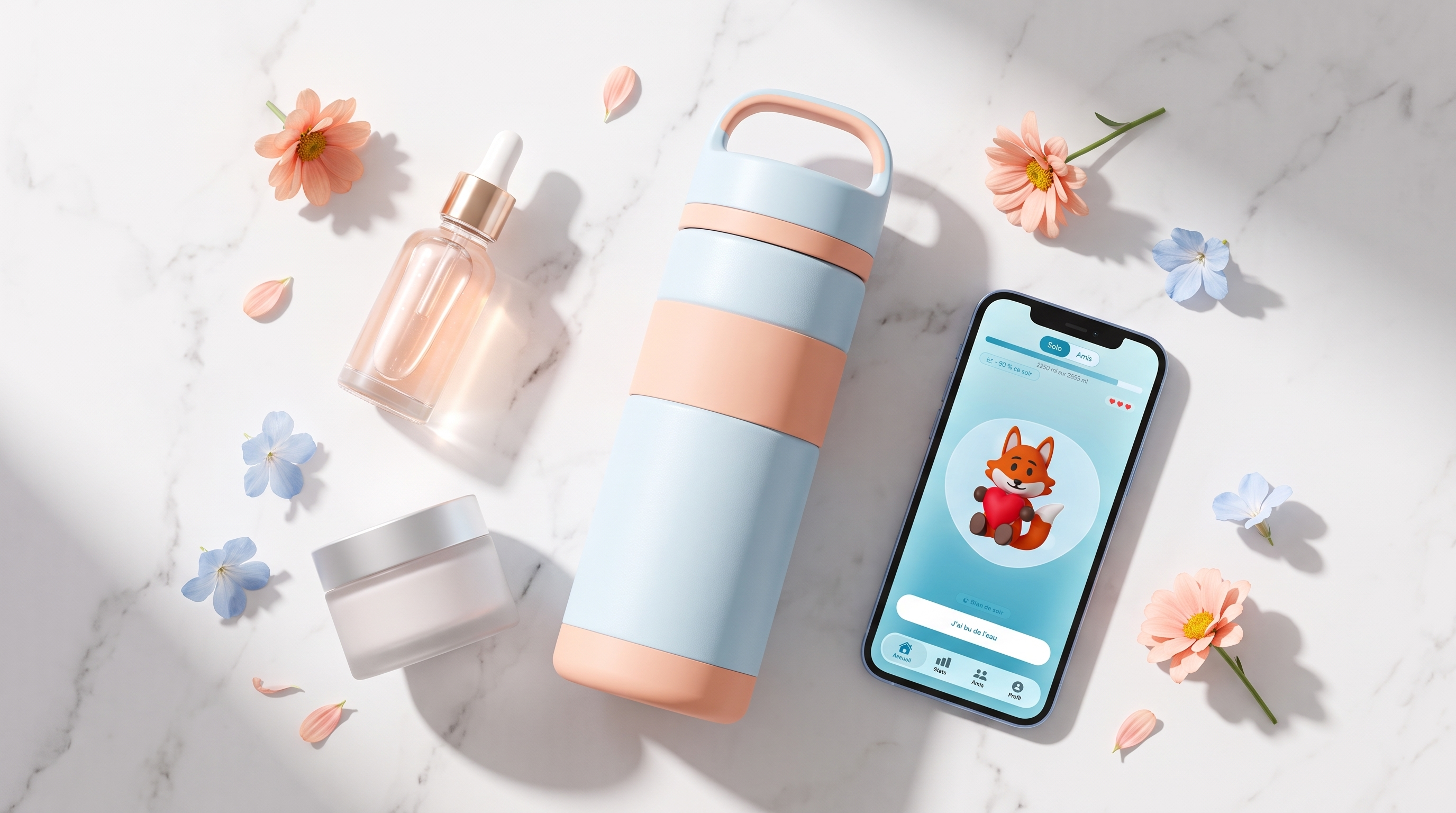
Hydration should be a natural extension of your daily wellness routine, a moment of pressure-free self-care. This is exactly the philosophy of HydraLife. Rather than an aggressive tracker, the app acts as a caring companion.
Here is how HydraLife enhances your daily routine:
- A tailored goal: No imposed "gallon". The app estimates what your body needs based on your body type and activity level.
- Weather adaptation: If it's hot, HydraLife discreetly adjusts your goal upwards.
- An adorable companion: You are accompanied by a little virtual creature that thrives as you hydrate, providing positive reinforcement without guilt.
Conclusion
Adequate hydration is a fundamental part of a healthy lifestyle, even if it's not a magic cure for all skin concerns. Adding gentle hydration tracking to your morning and evening routine can help you maintain good habits. With the help of a caring companion like HydraLife, this becomes fun and natural. Download HydraLife on the App Store to support your daily wellness journey.
Sources & References
- American Academy of Dermatology (AAD). "Dry skin: Overview."
- Mayo Clinic. "Water: How much should you drink every day?"
- Cleveland Clinic. "Can Drinking More Water Help Your Skin?"